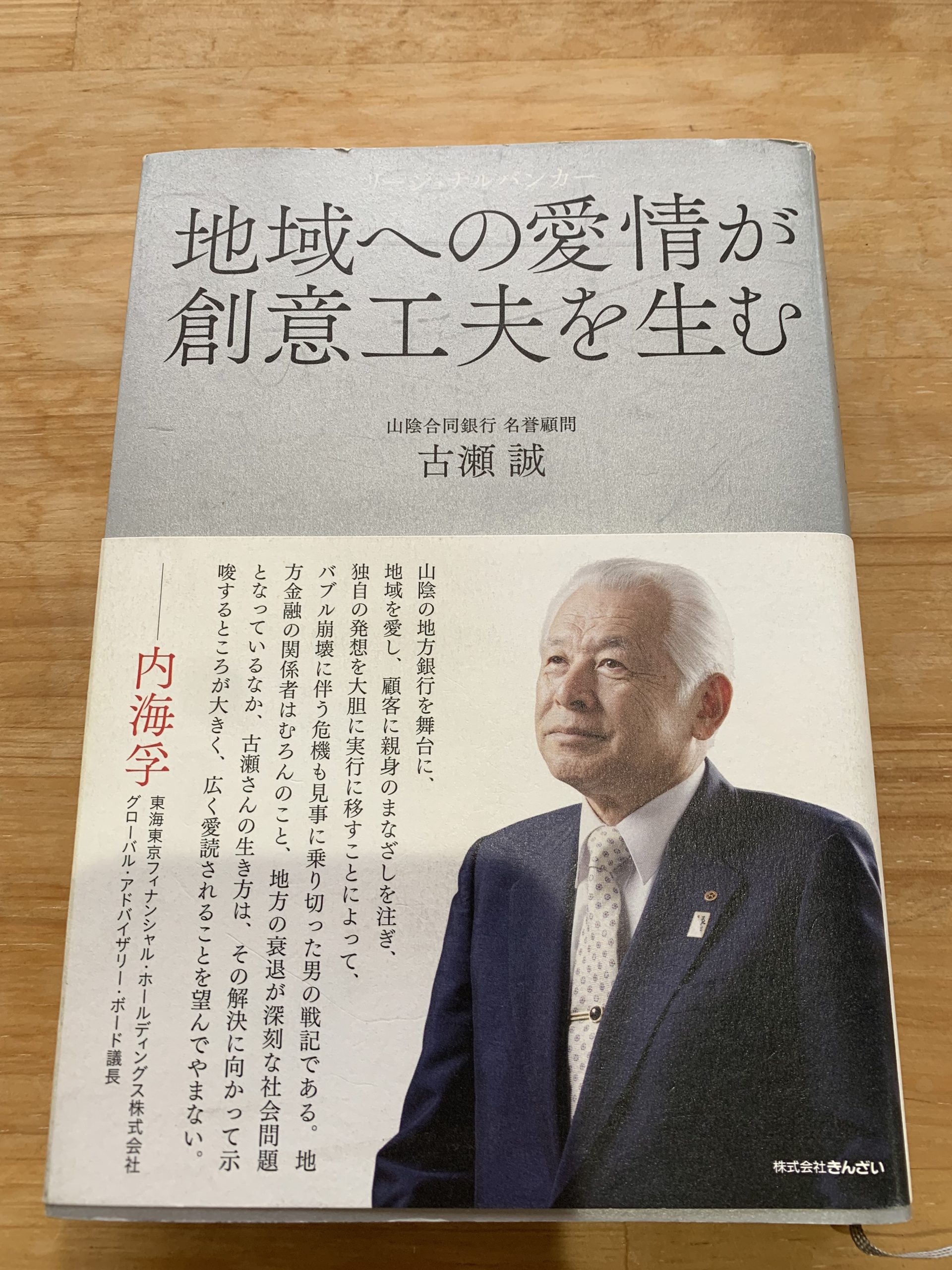
Title: Regional Banker (地方銀行員)
Author: Makoto Furuse
Publisher: KINZAI
As a Matsue resident and Gogin account holder, I approached Makoto Furuse’s autobiography “Regional Banker” with both personal interest and regional pride. The book delivers far more than a corporate memoir—it offers an intimate portrait of how one banker’s dedication shaped the economic landscape of Shimane Prefecture over four decades.
What the Book Offers
Furuse’s narrative traces his journey from a junior teller calculating interest at the Matsue Kita branch (now Gogin Karakoro Hiroba in Tonomachi) to his tenure as president of San’in Godo Bank from 2007 to 2011. Yet this is not merely a success story. The author presents his career as a series of community challenges that required both financial acumen and deep commitment to regional development.
The book is structured chronologically, allowing readers to experience the evolution of both the banker and the bank. Furuse, a Keio University graduate, writes with refreshing candor about his early struggles competing with larger institutions like Hiroshima Bank, and his prose becomes increasingly confident as he tackles more complex projects.
Standout Episodes
Several chapters stand out for their dramatic tension and historical significance. The Fukushima Shipbuilding case reveals the complexity of Cold War-era trade, as Furuse navigated the unfamiliar customs of Soviet business practices to support a local shipyard in Otesenba. His account of uncovering fraud at San’in Chuo Shinpo newspaper while working to preserve this vital regional voice demonstrates the ethical tightrope regional bankers must walk.
The merger with Fuso Bank in 1990-1991 provides fascinating insight into financial consolidation in regional Japan. Furuse’s ability to manage this delicate negotiation while maintaining his regular duties at the Shimane Daigaku-mae branch illustrates the extraordinary demands placed on regional bank officers.
Perhaps the most vivid chapter details the 1994 PINO Building crisis. Furuse brings the reader into the high-stakes negotiations that prevented Matsue Station’s prime frontage from becoming an abandoned eyesore. His successful relocation of Ichibata Department Store from Tonomachi reads like a thriller, complete with deadline pressures and competing interests.
The Author’s Perspective
What distinguishes this autobiography is Furuse’s genuine humility. He consistently attributes success to teamwork and acknowledges the support of colleagues, clients, and community leaders. This modesty makes his accomplishments all the more impressive. The author also doesn’t shy away from discussing the personal toll of his dedication—the long hours, the weight of responsibility, and the difficulty of balancing multiple crises simultaneously.
Furuse’s writing style is straightforward and accessible, avoiding both banking jargon and excessive technical detail. Non-specialists can easily follow his explanations of complex financial situations. His descriptions of Matsue’s changing commercial landscape will resonate particularly with local readers who remember these transformations firsthand.
Strengths and Limitations
The book excels at demonstrating how regional banking intertwines with community development. Each project Furuse describes had implications far beyond balance sheets—they affected jobs, civic pride, and the daily lives of Shimane residents. The autobiography also serves as valuable historical documentation of post-bubble economic challenges in regional Japan.
However, readers seeking analysis of national banking policy or macroeconomic trends may find the book’s local focus limiting. Furuse remains firmly grounded in the San’in region, with limited discussion of how his experiences compare to those of bankers in other prefectures. Additionally, while the author is candid about challenges, he rarely criticizes individuals by name, which can make it difficult to understand interpersonal conflicts fully.
Who Should Read This Book
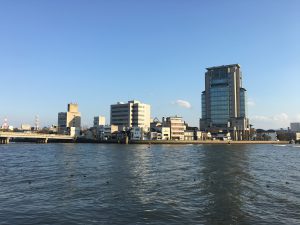
“Regional Banker” will appeal to several audiences. Matsue and Shimane residents will find it essential reading for understanding their community’s recent economic history. I was particularly moved to discover that the Gogin headquarters—Matsue’s tallest building—represents not just architectural ambition but decades of community service.
Business students and those interested in regional development will find valuable lessons in stakeholder management and creative problem-solving. Furuse’s career demonstrates that effective banking requires understanding local culture, building trust over the years, and sometimes taking risks that purely profit-driven institutions would avoid.
The book also offers insights for anyone interested in Japanese corporate culture and the particular role of regional financial institutions in maintaining community stability during economic transitions.
Personal Reflection
Reading “Regional Banker” while walking past the locations Furuse describes—the Gogin headquarters, the former PINO Building, Tonomachi—creates a powerful connection between text and place. Although I have never met the author, his impact on my daily environment is undeniable. The fact that some of my university classmates now work for Gogin adds another layer of personal connection to this narrative.
Furuse’s post-retirement roles as chairman of the San’in-India Association and president of the Matsue Chamber of Commerce and Industry demonstrate that his commitment to regional development extended well beyond his banking career. This consistent dedication to “prodding our place,” as he puts it, serves as an inspiring model for civic engagement.
Conclusion
“Regional Banker” succeeds as both memoir and historical document. Makoto Furuse has written an important record of how one person’s career can shape a region’s destiny. The book reminds us that banking, at its best, is about building communities, not just managing money.
For those of us who call Shimane home, this autobiography helps us understand the often-invisible work that maintains and develops our local economy. For readers elsewhere, it offers a window into the vital role regional banks play in Japan’s economic ecosystem.
I highly recommend this book to anyone interested in regional development, Japanese business culture, or simply a well-told story of dedication and service. It deserves a place on the shelf of anyone seeking to understand modern Shimane.
Rating: ★★★★☆ (4/5)
A compelling and important local history that occasionally sacrifices broader analysis for intimate detail—but for Shimane residents, that trade-off makes it essential reading.